

ROOTED IN BAJA, MADE IN MEXICO
OBAKKI'S REIMAGINING of VICEROY LOS CABOS
Obakki brings the landscape and craftsmanship of Mexico into the reimagined Viceroy Los Cabos
Set at the meeting point of desert and sea, the newly reimagined spaces at Viceroy Los Cabos take their cues directly from the extraordinary Baja landscape. Led by Obakki Founder and Creative Director Treana Peake, the design draws together warm desert tones, tactile natural materials and the blues and greens of the surrounding sky, ocean and water, all set against the resort’s distinctive white architecture.
Viceroy's distinctive white architecture provided a natural canvas for the design, allowing Obakki to layer in the neutral tones, rich textures, and natural materials of the surrounding Baja landscape. Just as important as the design itself was the craftsmanship behind it.


“Rather than simply referencing Mexican design, we wanted these spaces to actually be made in Mexico.”
From the outset, Obakki made a commitment that the project would be 100% Mexican-made, working with artisans, artists, craftspeople and workshops from across the country, including makers in Baja. Custom furniture, millwork, sofas, tile, ceramics, decorative objects and artwork were created in Mexico specifically for the property.
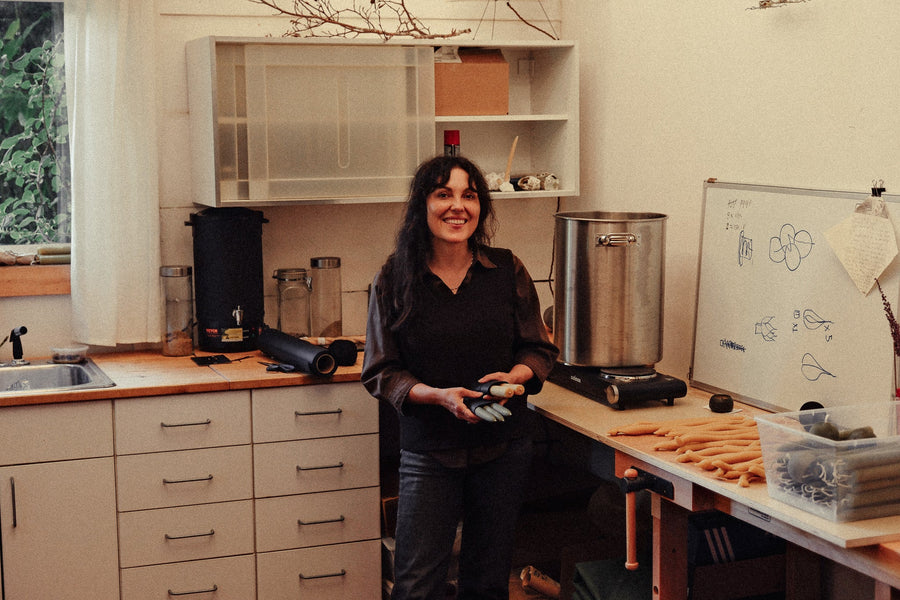
“Mexico has an extraordinary depth of craftsmanship and some of the most talented makers I’ve ever had the privilege of working with,” says Peake. “For me, it was important that the people who understand these materials, techniques and traditions were part of creating the spaces.”
That approach can be seen throughout the resort.


The Landscape, Reimagined Through Material
For one of the project’s custom surfaces, Obakki collaborated with Tayo to develop a handmade tile inspired by the tonal shifts and texture of Baja sand. Rather than introducing pattern for pattern’s sake, the surface was conceived as an extension of the desert landscape: subtle, organic and intentionally imperfect, allowing the material itself to become part of the design.
Across the resort’s bars, handmade ceramic tiles by Mexican studio LOFA introduce another interpretation of Baja. Colours were selected to echo the landscape as it moves from desert to sea—mineral and sand tones giving way to deeper ocean blues and aquatic greens. LOFA produces its ceramic tiles individually by hand, using high-temperature clay bodies and glazes made in its workshop from natural oxides and minerals. The nature of this process creates subtle variations in colour and surface from tile to tile, giving the installations a depth that could not be achieved through industrial production.


The Artisans Behind the Spaces
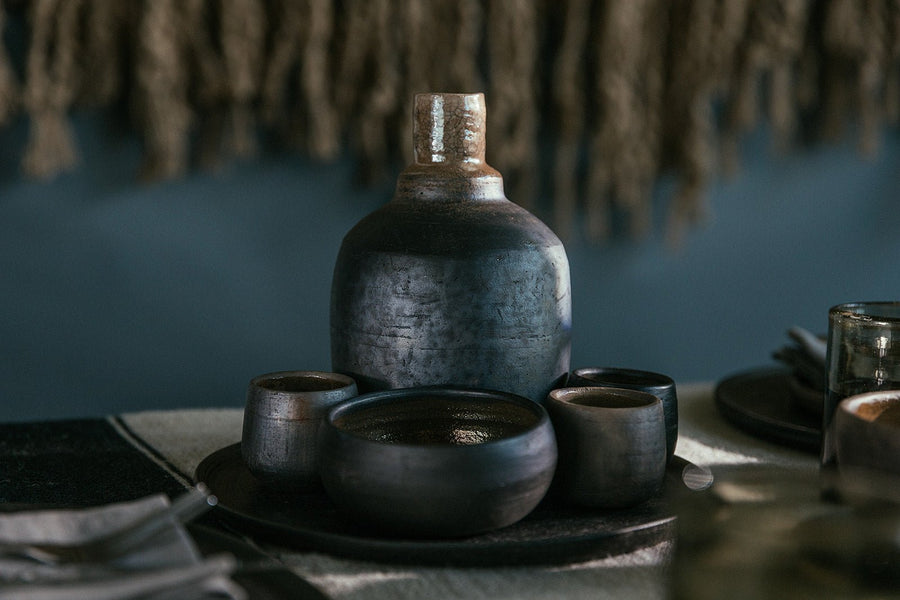
Ceramics throughout the property continue that conversation between contemporary design and the hand of the maker. Sculptural vessels and objects were produced in Mexican ceramic workshops from Guadalajara where clay is shaped, finished and fired by hand by local artisans.
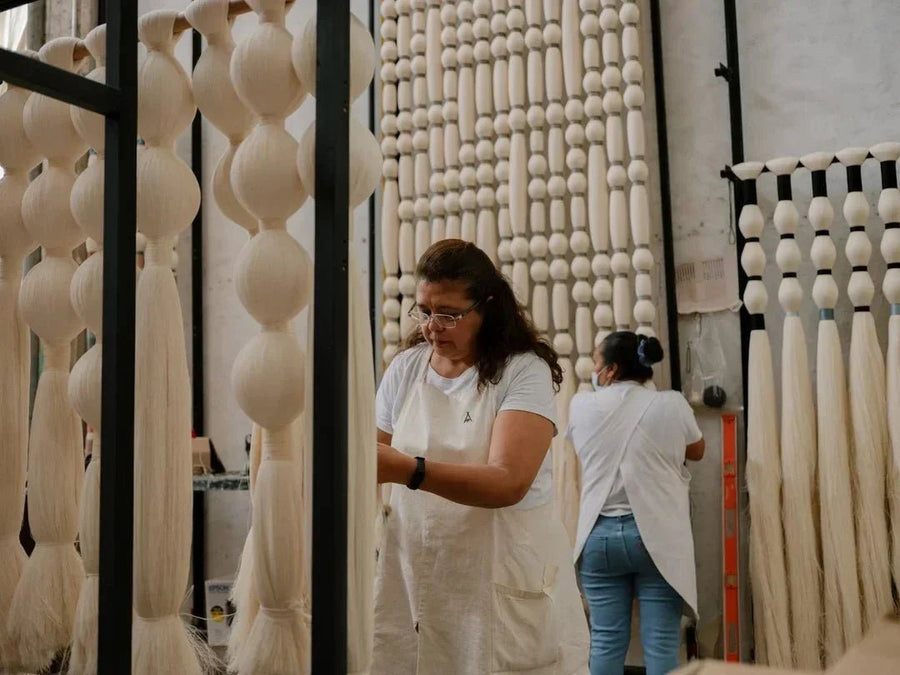
Elsewhere, decorative objects sourced and developed with artisan communities in rural Michoacán bring another layer of regional craftsmanship into the hotel. These pieces do more than complete a room aesthetically; their inclusion creates meaningful commercial opportunities for makers and brings work rooted in Mexico’s rural craft traditions into a contemporary hospitality environment.
The furniture follows the same philosophy. Custom sofas, tables, chairs, cabinetry and millwork were produced by craftspeople in Mexico, with individual pieces developed specifically for the architecture and needs of Viceroy Los Cabos. Woodworkers and furniture makers from different regions contributed their expertise, translating Obakki’s designs into pieces made by hand rather than pulled from a catalogue.
Even the artwork is Mexican.


"That human touch is what gives the spaces their authenticity."
Together, these layers allow the human hand to remain visible throughout the property: in the slight differences between individual ceramic tiles, the grain of natural wood, the texture of clay, the woven fibres and the marks left by processes that cannot—and should not—be perfectly replicated.
“You see the hand of the maker everywhere,” says Peake. “There are variations in a handmade surface or a ceramic piece, and to me that is where the beauty is. It reminds you that there is a person behind the object.”
It is an approach central to Obakki’s wider hospitality practice. Rather than treating artisan work as a decorative finishing layer, the company works directly with makers from concept through production, developing pieces collaboratively and building long-term relationships rooted in responsible sourcing and sustainable livelihoods. Obakki currently works with thousands of artisans internationally, bringing contemporary design together with cultural knowledge, traditional techniques and the people who carry them forward.


“We wanted to create something that feels very much of this place."
At Viceroy Los Cabos, that philosophy becomes part of the experience of the hotel itself.
The result is contemporary without feeling disconnected from its surroundings; refined without losing the evidence of how things were made. Architecture, desert, ocean and craftsmanship come together in spaces that feel unmistakably connected to Baja while celebrating the extraordinary breadth of Mexican design and making.
“Not a version of Mexico seen from somewhere else, but something designed here, made here and connected to the landscape and people around it,” says Peake.


Working on a hospitality or commercial project?
Learn more about Obakki's Design Trade Program or connect with our team at designtrade@obakki.com.